School Council/Pupil Voice
At Doubletrees School, pupil voice is a fundamental entitlement for every learner, regardless of their communication style, level of independence, pathway, or complexity of need. Many of our learners’ experience significant communication barriers, sensory needs, cognitive differences, or physical/medical challenges that make traditional forms of self advocacy inaccessible without skilled support. Because of this, pupil voice cannot be viewed as a single strategy or event—it must be an ongoing, embedded, individualised, and responsive process.
Our total commitment to pupil voice is rooted in our Total Communication ethos and our belief, shared across all pathways and in our Communication Offer, that “every child deserves a voice.” To ensure this is realised, learning environments are purposeful, communication rich, and adapted to allow all pupils to express preferences, make choices, refuse, communicate discomfort, develop autonomy, and influence their daily experience.
Each pathway offers a distinct but equitable approach to pupil voice:
In the Engagement Pathway, pupil voice is expressed through highly individualised, preintentional or emerging communication, interpreted through attuned adults using approaches such as Intensive Interaction, Tassels, sensory cues, the Engagement Model, and multisensory environments.
In the Exploration Pathway, pupils communicate through a blend of structured and responsive communication systems, including core boards, core vocabulary teaching, sensory stories, supported social interactions, and thematic learning that emphasises choice, emotional literacy, and independence.
In the Discovery Pathway, learners use spoken language, Makaton, symbols, objects of reference, structured PSHE opportunities, class votes, creative arts, and reallife projects to express views, make decisions and reflect on their learning.
Across all pathways, Doubletrees recognises that pupil voice is inseparable from communication. Our Communication Offer makes clear that communication is a core curriculum priority for every learner and every pathway. This ensures that all pupils have the skills, tools and opportunities to communicate to the fullest of their potential—whether through speech, AAC, gesture, body language, behaviour, or specialist communication systems.
Pupil voice is also embedded at a wholeschool level, including through our active School Council, participation in recruitment, online safety groups, classbased decision making, and regular personalised feedback and reflection. Our school council takes an active role within the school. They participate in staff interviews, they had the final say in our friendship/citizenship codes and have undertaken projects to improve their own school experiences. These include how we play and the resources we need, the food that we eat and how we feel about lunchtimes. Pupil’s ideas, concerns and wishes will inform the direction that each School Council takes.
The school council elects new members at the start of every academic year and meet regularly. These are displayed around the school so all the learners know who they are.
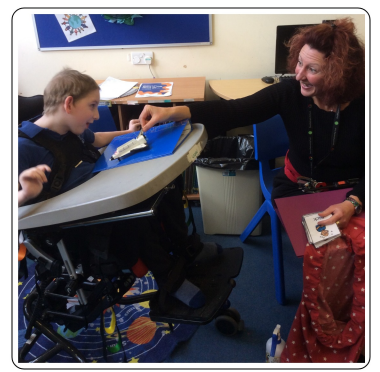
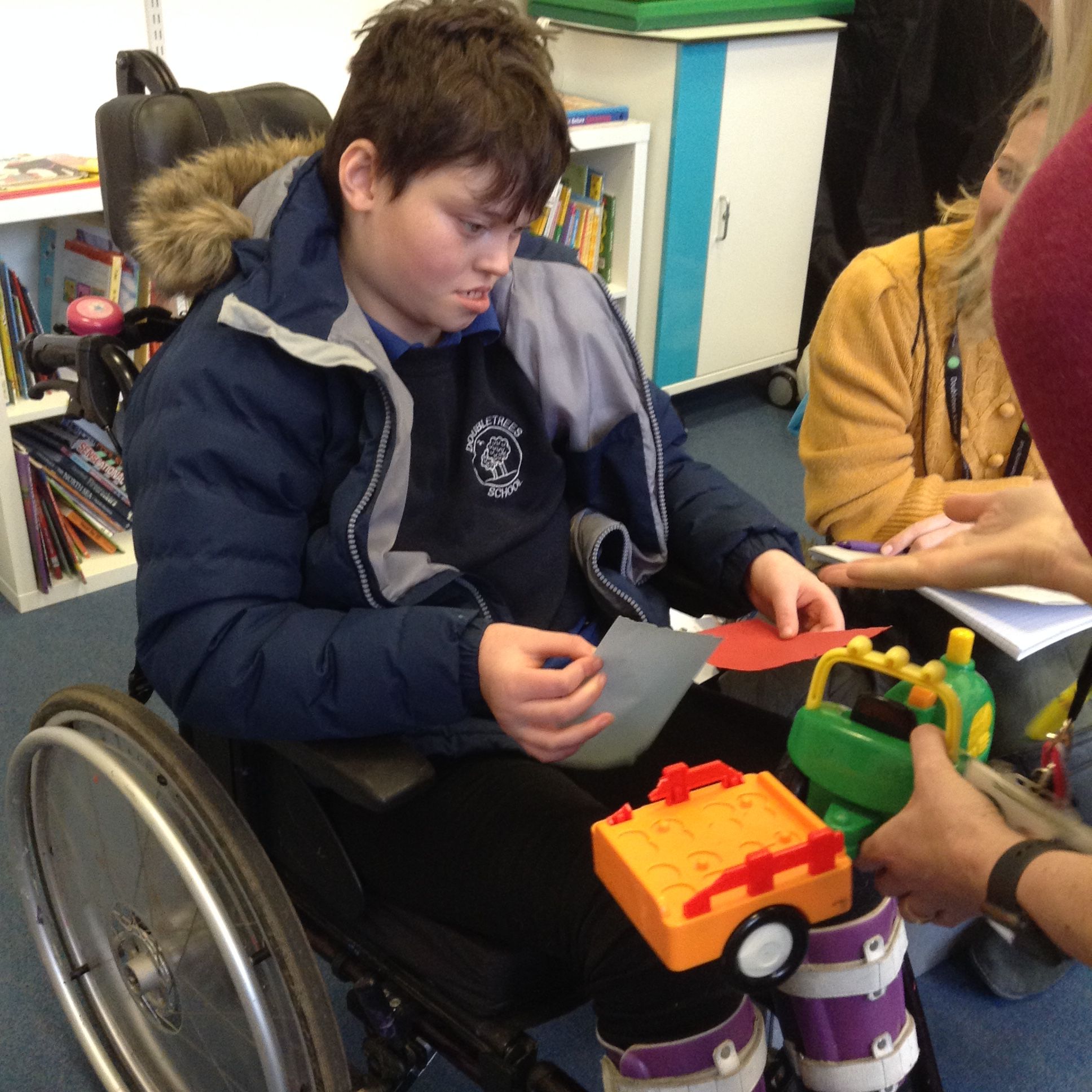
Here are our School Council representatives interviewing a potential new teacher candidate as part of their, and our interview process!
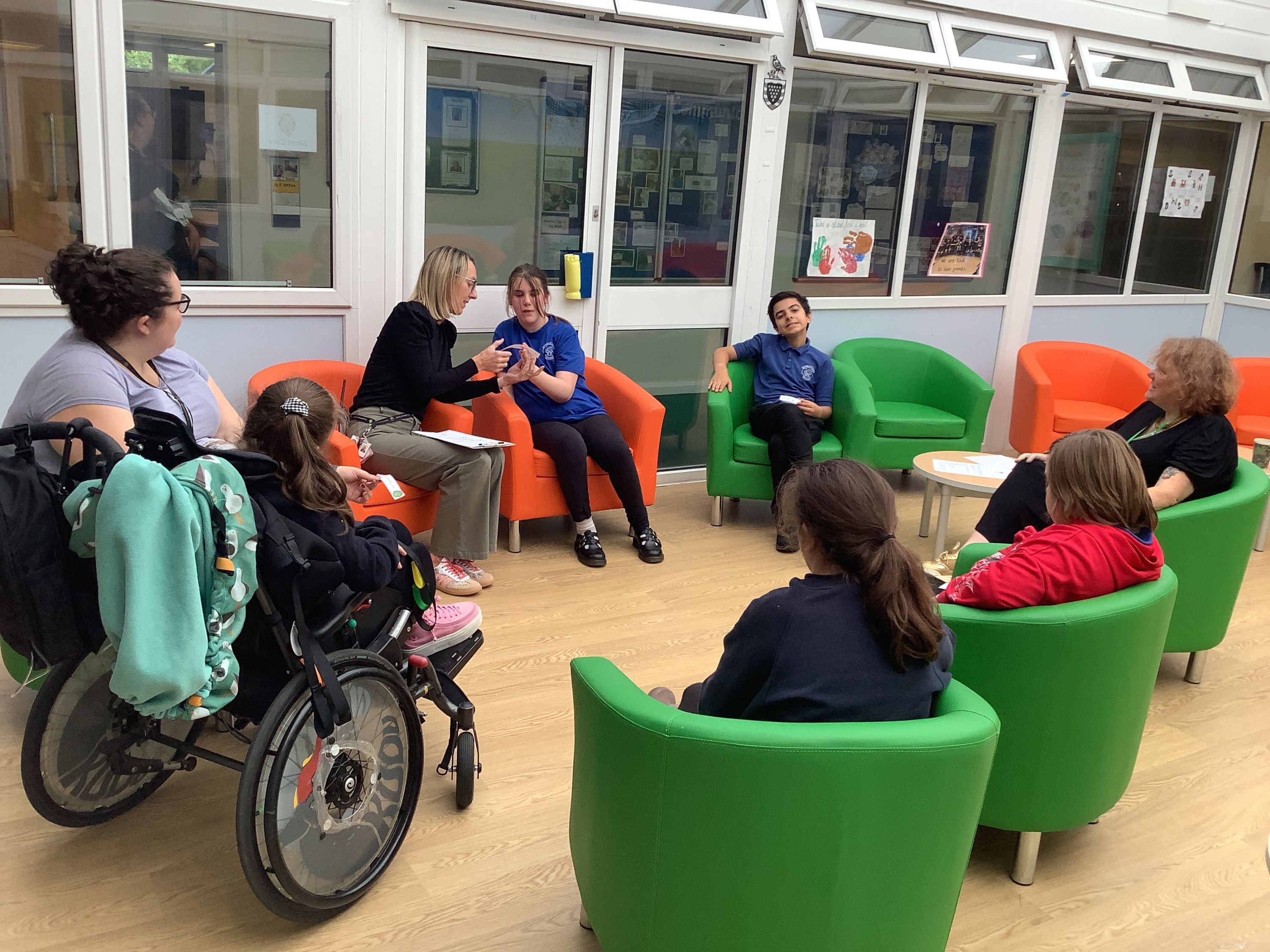
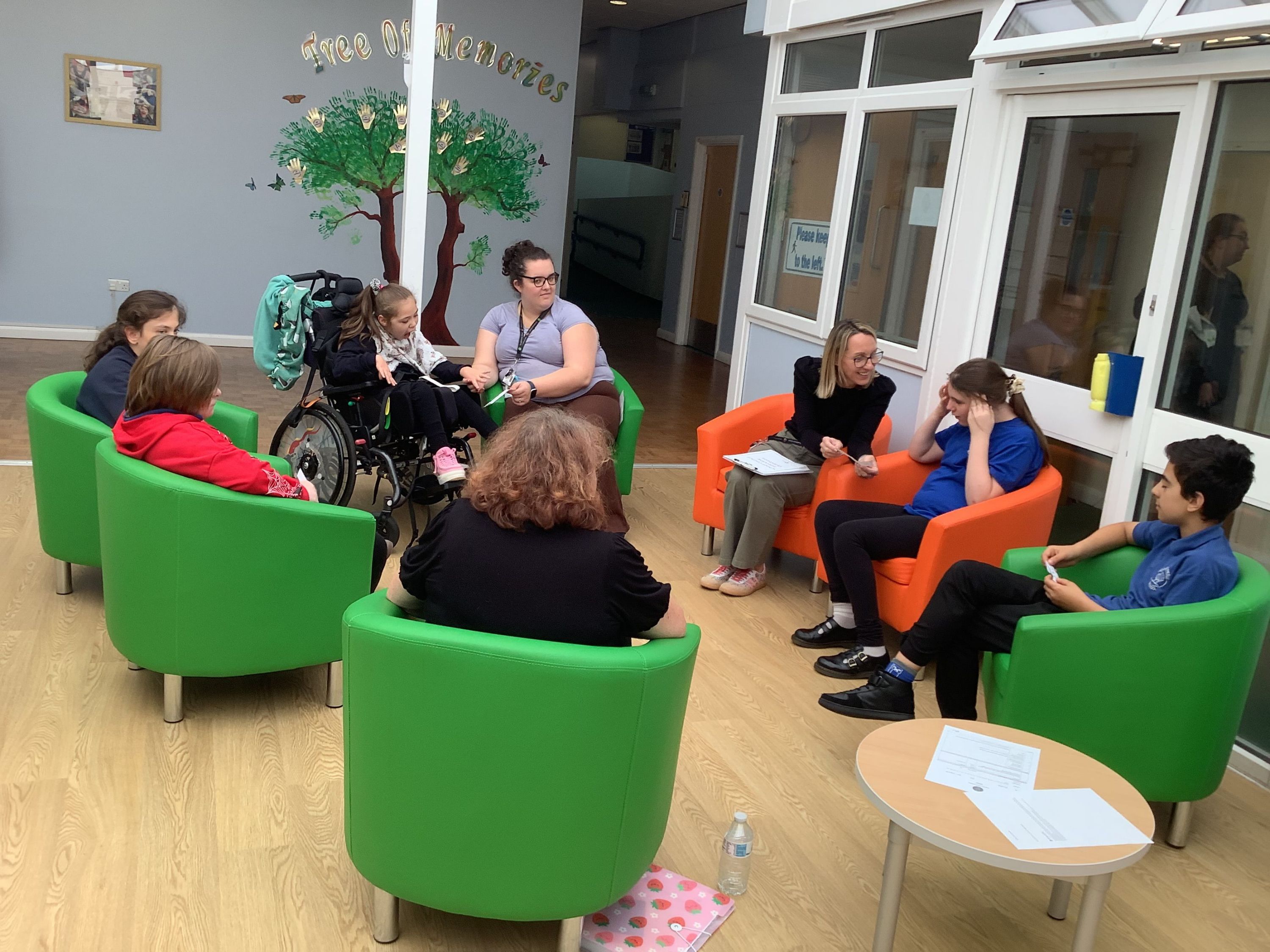
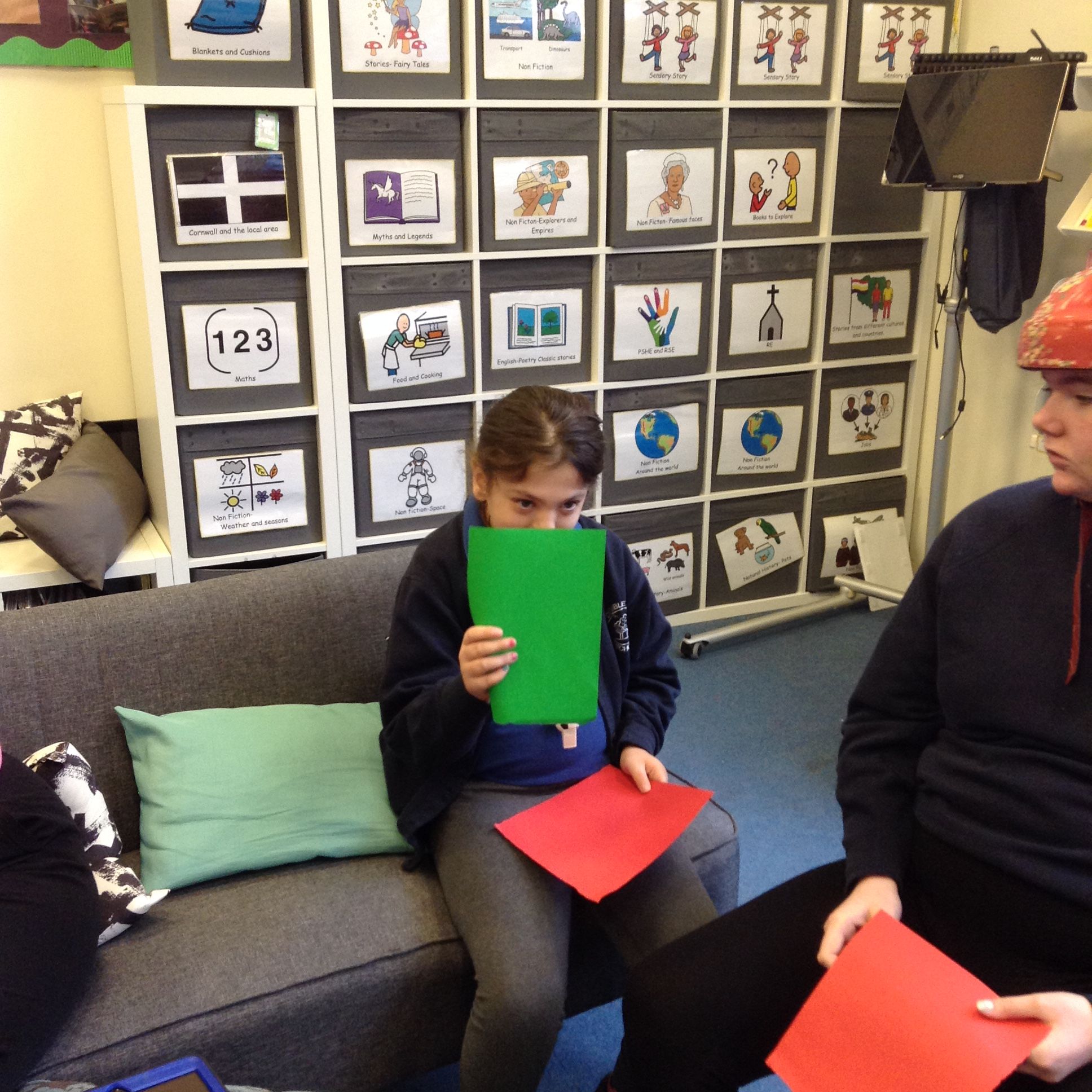
You said, we did!
At our school, pupil voice plays a vital role in shaping our community. When our students speak, we listen—and act! From introducing more outdoor learning opportunities to improving lunch options and inviting more visitors into our school, the ideas and feedback shared by our learners have led to meaningful changes.
Take a look at the impact that pupil voice has had this year!
You said, “We would like more visitors into school and to go on more trips.”
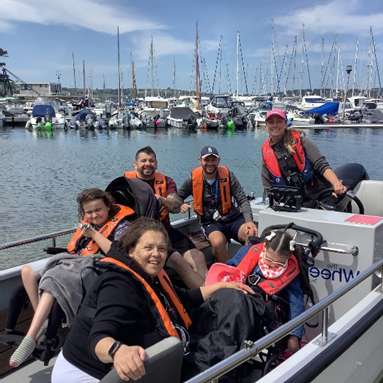
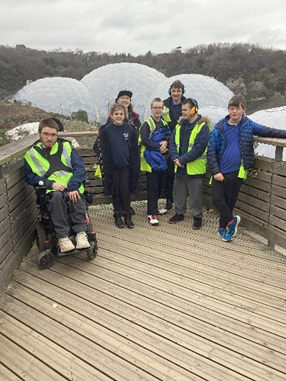
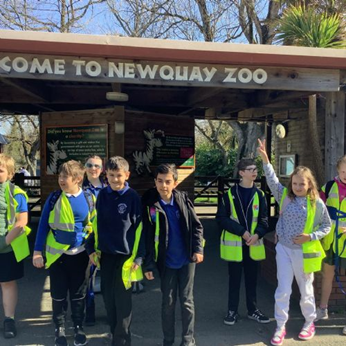
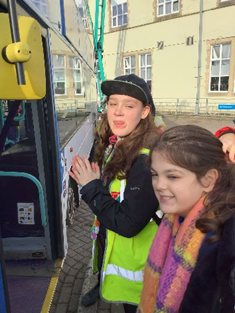
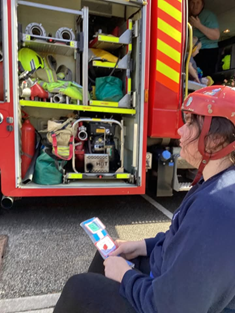
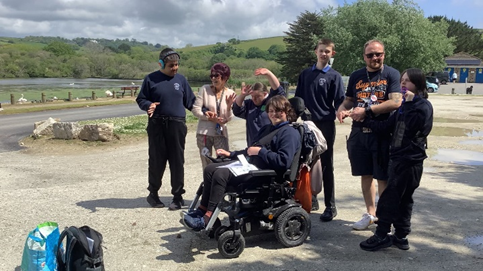
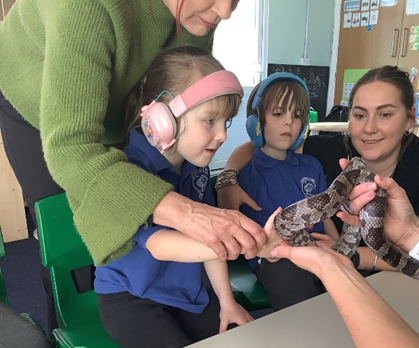
We did: We have had so many visitors into school this year, across all the pathways. From theatre and musical performances, to Fire Brigade and Wildlife Trust workshops. Post-14 learners took part in travel training to Truro and Newquay, and Discovery Phase have visited the Eden Project, Newquay Zoo and Par Beach. Engagement Phase have been sailing at Mylor and we’ve all been to Bikeability at Par Track. We have raised money for Little Harbour with our Santa Run, and visited local supermarkets, coffee mornings and colleges. Our learners have lots of opportunities to learn about the community that they live in and go out to experience all it has to offer!

You said, “We want all adults around the school to be able to communicate with us.”
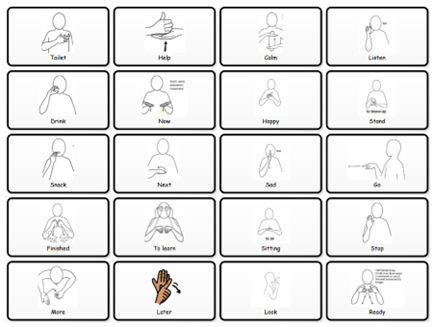
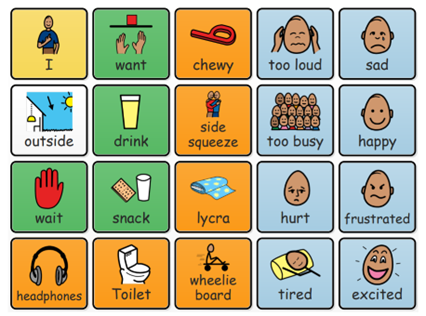
We did: We changed our weekly Communication meetings so that all staff could practise the initial 20 Makaton key words that the learners wanted us to know, and have added more that they have suggested. Everyone in our school community can now use the core Makaton signs. We are also using more Core boards in our classrooms and creating more large core boards around the school to help our learners.
You said, “We want to be able to do more activities outside.”
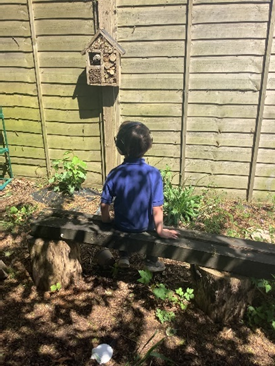
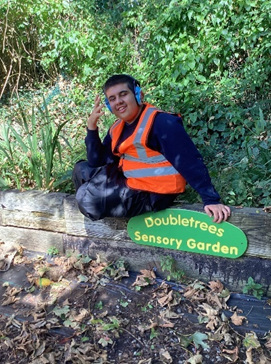
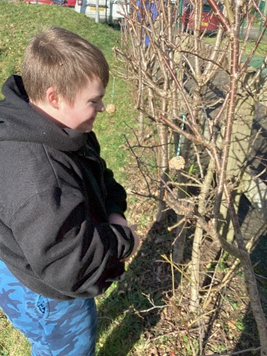
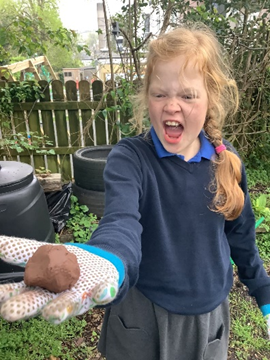
We did: Our Forest School and Outdoor Learning Lead, has secured some funding from the RHS to improve the biodiversity of our school grounds. We said that we like growing vegetables and fruit so we have developed a new kitchen garden and have planted a willow tunnel in our Sensory garden. We also took part in the Big Schools Birdwatch and have enjoyed watching all the birds come to our new bird feeders outside our classrooms.